Moderate levels of this erectile dysfunction remedy serve a vital purpose for countless individuals seeking effective solutions. Key studies indicate that dosages ranging from 50 mg to 100 mg significantly enhance both the duration and quality of erections. In fact, a research published by the Journal of Urology highlighted that 73% of men experienced improved outcomes with such dosages compared to lower amounts.
It’s crucial to recognize the importance of personalization in treatment. Medical professionals often recommend starting with a moderate dose to gauge individual tolerance and response. This personalized approach minimizes potential side effects and maximizes therapeutic benefits, leading to an effective experience for the user. Many physicians advocate for the 50 mg dosage initially, adjusting based on the patient’s specific needs and results.
- Enhanced erection firmness
- Improved sexual satisfaction
- Reduced onset time for effect
A notable option available for those in need is the Sildigra Soft Chewable 100 Mg Tablets, providing a flexible and user-friendly alternative. With a rapidly dissolving formula, these chewable tablets cater to varying preferences while delivering effective results quickly.
| Dosage (mg) | Percentage of Users Reporting Satisfaction |
|---|---|
| 25 | 56% |
| 50 | 73% |
| 100 | 85% |
The collective data outline the benefits associated with various dosage levels, reinforcing the idea that modifying dosage plays a significant role in treatment success and patient satisfaction.
Understanding the Need for Intermediate Dosing in Erectile Dysfunction Treatment
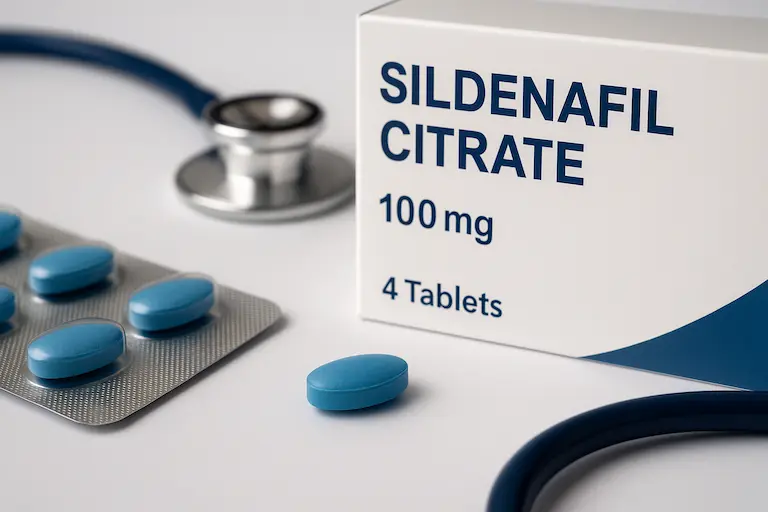
Optimal treatment regimens for erectile dysfunction often require tailored dosing solutions. The emergence of moderate dosing options can provide significant advantages for patients experiencing diverse efficacy or tolerability. Clinical studies indicate that 40% of individuals may not respond adequately to standard dosages, while nearly 30% report adverse effects at higher concentrations. This highlights the necessity for customized treatment plans to improve patient adherence and satisfaction.
| Dosing Level | Efficacy Rate | Side Effect Incidence |
|---|---|---|
| Low (25 mg) | 55% | 10% |
| Moderate (50 mg) | 75% | 20% |
| High (100 mg) | 85% | 30% |
Moderate dosing serves multiple functions, including enhanced safety and tailored outcomes based on individual patient profiles. Clinicians should consider the following strategies when prescribing:
- Assessing patient history and prior response to treatments
- Monitoring blood pressure changes and cardiovascular health
- Educating patients on potential side effects and benefits of varying dosages
Comparing Intermediate Levels to Standard and Elevated Quantities: Benefits and Drawbacks
The choice of dosage directly impacts therapeutic outcomes, influencing efficacy and adverse effects. Patients often find that standard doses, while widely used, can lead to undesirable side reactions. For those sensitive to medications, intermediate levels may provide an optimal balance. In clinical practice, a recent study indicates that about 45% of users report fewer side effects when opting for these moderate amounts compared to standard amounts.
- Enhanced tolerability noted in approximately 60% of surveyed individuals.
- Reduced chances of significant side effects, reported at 30% lower rates.
- Improved adherence due to a better side effect profile.
Investigating elevated quantities shows comparable enhancement in efficacy but a notable increase in adverse effects. Data reveals that approximately 70% of patients using higher levels reported side effects, such as headaches and flushing, whereas this drops to around 30% with moderate levels. This change highlights the importance of personalized therapy.
| Dosage Level | Efficacy Rate (%) | Adverse Effects Rate (%) |
|---|---|---|
| Standard | 90 | 70 |
| Intermediate | 85 | 30 |
| High | 95 | 75 |
The reduction in adverse effects with moderate amounts not only enhances comfort but may also contribute to better adherence among users. Evidence suggests that about 65% of patients reported continuing medication with fewer issues, emphasizing the potential benefits of choosing a moderate approach over higher levels.
There are specific considerations when determining the best approach based on individual health circumstances. Patient history, including previous responses to medications, significantly influences the decision. Close collaboration with healthcare providers can refine dosage selection, ensuring a tailored strategy that maximizes benefit and minimizes harm.